Designing a Kitchen Layout with Sink and Stove on the Same Wall: Pros and Cons
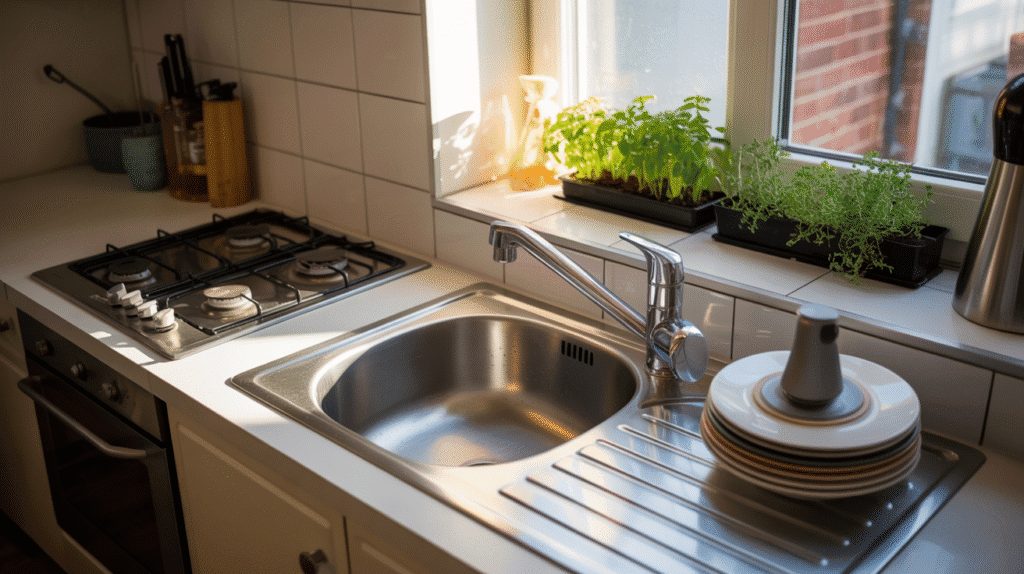
When designing a kitchen, thinking about the layout is essential. One common option is to have the sink and stove on the same wall. This choice comes with its own set of benefits and drawbacks that you should consider before making your decision.
Benefits of Having Sink and Stove on the Same Wall
There are several advantages to placing the sink and stove together on the same wall. Let’s explore some key benefits:
- Efficiency in Workflow: Having both the sink and stove on the same wall can improve your workflow. It allows for quick transitions between washing, prepping, and cooking food. This close proximity makes it easier to move between tasks.
- Space-Saving: If you have a small kitchen, placing the sink and stove on the same wall can maximize space. This design minimizes the need for additional countertops or islands, offering more open floor space.
- Easy Cleanup: Cooking often leads to spills and messes. When the sink is adjacent to the stove, it’s convenient to clean up right after cooking. You can quickly wash pots, pans, and plates without having to walk to another part of the kitchen.
- Compact Design: A one-wall kitchen layout can be visually pleasing and modern. It provides a streamlined look, making the kitchen appear less cluttered.
Drawbacks of Having Sink and Stove on the Same Wall
While there are evident perks, placing the sink and stove on the same wall also has its downsides. Here are some potential issues:
- Limited Counterspace: When both appliances share the same wall, you may have limited countertop space for prep work. This can be challenging, especially during busy cooking routines.
- Safety Concerns: Having water and heat close together can pose safety risks. For instance, if water splashes from the sink onto the hot stove, it could lead to burns or other accidents.
- Stagnant Traffic Flow: A kitchen layout with both the sink and stove on the same wall can interrupt the flow. If you have multiple cooks in the kitchen, it might lead to back-and-forth traffic or overcrowding in a small area.
- Increased Noise: If someone is washing dishes while another is cooking, the sounds may be disruptive. This noise can be bothersome if your kitchen is part of an open-concept living area.
Tips for Optimizing the Space
If you decide to go forward with a kitchen layout that positions the sink and stove on the same wall, consider these tips to enhance functionality and aesthetics:
- Install an Exhaust Fan: An exhaust fan can help eliminate cooking smells and steam that accumulate from both appliances, maintaining a pleasant atmosphere in your kitchen.
- Choose a Deep Sink: A deeper sink can make washing large pots and pans more convenient, especially when you’re also using the stove.
- Use Pull-out Drawers: Incorporate pull-out drawers or cabinetry beneath the countertop. This feature can offer extra storage for pots, pans, and utensils, keeping everything organized and close at hand.
- Utilize Vertical Space: Consider adding shelves or hanging racks above the sink and stove to store spices, utensils, and other cooking essentials. This makes them easily accessible while also saving countertop space.
Ultimately, designing a kitchen layout with the sink and stove on the same wall can be a practical choice if done thoughtfully. By weighing the pros and cons and applying these optimization strategies, you can create a kitchen that is not only functional but also enjoyable to work in. Whether you’re in a compact space or a more extensive kitchen design, keeping these factors in mind will guide you toward a successful layout that meets your cooking needs.
Optimizing Workflow in a Galley Kitchen
When it comes to maximizing efficiency in a galley kitchen, understanding the layout is essential. This type of kitchen is known for its narrow shape, typically with two parallel countertops. Optimizing workflow in this distinctive space not only enhances cooking performance but also creates a more enjoyable culinary experience.
Understanding the Galley Kitchen Design
A galley kitchen generally features a sink, stove, and refrigerator linearly arranged, which can be beneficial for the work triangle—the optimal distance between these three key elements. This setup allows you to move swiftly between cooking, cleaning, and storing food. Here are the primary aspects to consider:
- Efficient Layout: The layout promotes quick access to all essential areas.
- Space Utilization: It’s perfect for smaller spaces, making every square foot count.
- Multi-Functionality: Countertops can be used for food preparation or additional meal serving space.
Maximizing Counter Space
In a galley kitchen, counter space is often limited. To make the most of it, consider the following strategies:
- Use Wall-Mounted Shelves: These can hold spices, utensils, or cookbooks within reach while freeing up counter space.
- Incorporate a Cutting Board: Install a cutting board over the sink to increase usable area when needed.
- Utilize Kitchen Islands: If space allows, a movable kitchen island can provide extra surface area and can serve as additional storage.
Utilizing Vertical Space
In a galley kitchen, going vertical can transform your cooking environment. Here’s how to make the most out of your walls:
- Hanging Pots and Pans: Install a pot rack to keep frequently used items accessible.
- Use Tall Cabinets: Store less frequently used items high up, keeping essentials lower for quick access.
- Magnetic Strips: Attach magnetic strips to hold knives and metal utensils, saving drawer space and keeping them visible.
Creating a Seamless Workflow
Creating a smooth workflow in a galley kitchen involves careful planning of how you move and operate in the space. Employ these tips to improve efficiency:
| Area | Optimization Tip |
|---|---|
| Cooking Area | Keep cookware near the stove for quick access during meal prep. |
| Prep Area | Organize frequently used cutting tools in a drawer within arm’s reach. |
| Cleaning Area | Store dishwashing supplies (sponge, soap) under the sink for easy use. |
Smart Storage Solutions
With limited space in a galley kitchen, utilizing smart storage solutions can make a significant difference. Consider these options:
- Pull-Out Drawers: Make it easier to reach those difficult back corners.
- Lazy Susans: Great for corners, allowing easy access to pots and pans.
- Dividers: Keeping utensils organized can streamline your cooking process.
Lighting to Enhance Functionality
Good lighting is crucial in a galley kitchen, especially when it comes to multitasking. Consider these lighting tips:
- Task Lighting: Use under-cabinet lights for chopping, mixing, and other detailed tasks.
- Ambient Lighting: Ensure overall illumination without harsh shadows by incorporating soft ceiling lights.
- Smart Lighting Solutions: Sensor lights that turn on as you enter can enhance convenience.
By carefully considering your galley kitchen layout, maximizing counter and vertical space, creating a seamless workflow, utilizing smart storage solutions, and ensuring proper lighting, you can achieve an efficient and enjoyable cooking environment. Embracing these strategies will help you transform your galley kitchen into a functional workspace that inspires creativity and ease in the culinary arts.
Space-Saving Tips for Small Kitchens
Living in a small space presents unique challenges, especially when it comes to kitchens. With limited room for appliances, storage, and countertop surfaces, it can feel overwhelming. However, utilizing space-saving tips not only maximizes your kitchen’s efficiency but also makes cooking and entertaining enjoyable.
Smart Storage Solutions
In small kitchens, the key to maximizing space often lies in smart storage solutions. Here are some effective strategies you can implement:
- Vertical Storage: Utilize wall space by adding shelves and cabinets that go up to the ceiling. This allows for storing items you don’t use daily, freeing up lower spaces for essentials.
- Hooks and Racks: Install hooks beneath cabinets or on walls to hang pots, pans, and utensils. This keeps them within reach while freeing up drawer space.
- Pull-out Drawers: Replace traditional cabinets with pull-out drawer solutions. This can give you easier access to items stored in the back and improve organization.
Multi-functional Furniture
Choosing multi-functional furniture can transform a small kitchen. Here are some ideas to maximize your space:
- Kitchen Islands: If you have room, invest in a portable kitchen island that includes built-in storage. This provides additional counter space while offering a place for storage.
- Nesting Tables: Use nesting tables that can be tucked away when not in use. This lets you expand your workspace seamlessly during meal prep or entertaining guests.
- Extension Tables: Consider a foldable table or one with an extension leaf. You can use it when hosting and store it away when it’s not needed.
Efficient Appliance Selection
Your choice of appliances can significantly affect the space. Here are a few considerations when selecting equipment:
- Compact Appliances: Opt for smaller-sized appliances like a narrow refrigerator or a two-burner stove. They take up less space while still providing essential functions.
- Built-in Options: Built-in appliances can save countertop space and keep your kitchen looking streamlined. Check out built-in microwaves or ovens that can fit within cabinetry.
- Multi-purpose Devices: Invest in appliances that serve more than one purpose, such as a toaster oven that can also bake or a slow cooker that can function as a pressure cooker.
Organizing Pantry Space
Your pantry can become a chaotic area in a small kitchen. Keep it organized with these clever tips:
- Pantry Baskets: Use labeled baskets for grouping like items. For example, have one basket for snacks, another for baking essentials, and another for canned goods.
- Clear Containers: Store dry goods in clear containers to make it easy to see what you have. This can reduce clutter and prevent overbuying.
- Door Storage: Utilize the inside of pantry doors for storage. You can add shallow shelves or racks to hold spices, sauces, or condiments.
Lighting and Color Choices
Enhancing the visual space in your kitchen can also create an illusion of a larger area. Consider these elements:
- Bright Colors: Painting your kitchen in lighter shades makes it feel airy and open. Whites, pastels, or light grays are great options.
- Functional Lighting: Adding under-cabinet lighting can brighten workspaces and improve functionality while making the room feel more inviting.
- Mirrored Surfaces: Implement mirrors or shiny surfaces to reflect light, giving a feeling of spaciousness.
Planning Your Layout
When considering layout changes, prioritize flow and accessibility. A well-planned kitchen layout can save time and enhance your cooking experience:
| Layout Type | Pros | Cons |
|---|---|---|
| Galley Kitchen | Efficient workflow; compact. | May feel cramped if too narrow. |
| L-Shaped | Open layout; good for movement. | Less counter space, depending on design. |
| U-Shaped | Best for storage; accessible. | Can be crowded if it’s too small. |
With these space-saving tips, even the smallest kitchens can become functional, organized, and enjoyable to work in. Consider your specific needs and available space to create a kitchen that optimally fits your lifestyle.
Maximizing Safety in Kitchen Designs
In today’s world, safety is a top priority in kitchen design. As the heart of the home, the kitchen should blend functionality with a secure environment. Proper planning and arrangement can significantly enhance safety for everyone who uses the space. Below are several strategies that can help you create a safer kitchen.
Efficient Layout Choices
Choosing the right kitchen layout is crucial for maximizing safety. Here are a few popular layouts that promote an organized and safe cooking environment:
- U-Shaped: This design keeps all appliances in close proximity, minimizing the distance you need to walk while carrying hot pots or sharp knives.
- L-Shaped: This layout allows for ample workspace while separating cooking from other kitchen activities, reducing the risk of accidents.
- Galley: This narrow kitchen design streamlines movement, making it easier to navigate between the sink, stove, and fridge.
When designing your kitchen, consider the distances between key areas: the sink, stove, and refrigerator, often referred to as the kitchen work triangle, for the greatest efficiency.
Choosing Safe Materials
Utilizing safe and durable materials can enhance kitchen safety. Here are some material recommendations:
- Non-slip Flooring: Opt for materials such as vinyl or textured tiles that reduce the risk of slips and falls.
- Heat-Resistant Surfaces: Granite or quartz countertops can handle heat better than laminate, preventing burns from hot pots.
- Low-VOC Paints: Use paints that emit fewer volatile organic compounds to improve air quality and minimize health risks.
Appliance Placement and Safety Features
Strategic placement of appliances can significantly enhance safety. Consider these tips:
- Positioning: Place the stove away from high-traffic areas to prevent accidental bumps while cooking.
- Child Safety Locks: If children frequent your kitchen, consider installing locks on ovens and cabinets storing sharp utensils or cleaning supplies.
- Ventilation: Ensure good airflow between the stove and any built-in exhaust systems to minimize smoke and disappear cooking odors effectively.
Ergonomics and Accessibility
Designing your kitchen with ergonomics in mind can help prevent injuries. Here are some adjustments you can implement:
- Counter Height: Choose a counter height that is comfortable for cooking, ideally between 36-42 inches for optimal posture.
- Pull-out Shelves: Incorporate pull-out shelves for easier access to appliances and ingredients, reducing the need for bending or reaching.
- Good Lighting: Brighten your kitchen with ample overhead lighting and under-cabinet fixtures to minimize shadows and illuminate work areas.
Preparing for Emergencies
Preparation is key when it comes to kitchen safety. Follow these steps:
- First Aid Kits: Keep a well-stocked first aid kit accessible in the kitchen for quick response to minor injuries.
- Fire Extinguisher: Install a fire extinguisher in a convenient location, regularly check its validity, and ensure that everyone knows how to use it.
- Emergency Contacts: Clearly post emergency contact numbers, including poison control, near the kitchen phone or refrigerator.
These safety strategies into your kitchen design can create a space that is efficient and secure. By focusing on layout, materials, appliance placement, ergonomics, and preparedness, you can ensure that your kitchen remains a safe haven for cooking and gathering. Prioritize safety to enjoy peace of mind while crafting delicious meals for you and your loved ones.
Incorporating Modern Appliances in a Traditional Kitchen Layout
Your traditional kitchen layout can be a beautiful blend of charm and functionality. However, incorporating modern appliances can elevate its appeal and efficiency without compromising its classic character. Here’s how you can harmoniously meld the old with the new in your kitchen.
Choosing the Right Appliances
When selecting modern appliances, it’s essential to focus on style and functionality. Here are some key points to consider:
- Color and Finish: Choose appliances in classic colors like white, black, or stainless steel. Matte finishes or vintage-inspired designs can also complement traditional aesthetics.
- Size and Scale: Opt for appliances that match the scale of your kitchen. For instance, a large French door refrigerator might dominate a smaller space, making it feel cramped.
- Energy Efficiency: Modern appliances are generally more energy-efficient. Check for ENERGY STAR ratings to save on utility bills.
Integrating Appliances into Layout
Placing modern appliances in a traditional kitchen layout involves strategic planning. Here are some ways to creatively incorporate them:
1. Use Built-in Options
Built-in appliances, such as wall ovens or microwaves, can fit seamlessly into cabinetry. This maintains clean lines and enhances the traditional appearance. By enclosing these appliances, you ensure they don’t disrupt the vintage vibe.
2. Consider Appliance Positioning
Positioning modern appliances in a way that preserves workflow is key. The kitchen work triangle concept, which includes the stove, sink, and refrigerator, should be kept in mind. Arrange your appliances for optimal efficiency:
| Appliance | Recommended Position |
|---|---|
| Stove | Center of the kitchen, closer to prep areas |
| Sink | Near prep zones and the refrigerator |
| Refrigerator | Accessible from all work areas |
Blending Styles
The integration of modern appliances can be done tastefully. Here are some design strategies to consider:
1. Add a Classic Touch
Accent your modern appliances with traditional elements. For example, if you have a stainless steel fridge, consider adding furniture-style cabinetry around it. This clever design trick helps your modern appliance feel more at home in a traditional setting.
2. Use Decorative Panels
Another easy way to blend modern appliances into a traditional kitchen is to use decorative panels. Appliances such as dishwashers or refrigerators can be disguised with cabinet doors that match the kitchen cabinetry. This technique is beneficial for maintaining a cohesive look.
3. Lighting Matters
Incorporate soft, warm lighting that complements the vintage feel. You could use pendant lights above an island or under-cabinet lighting near modern appliances to create a welcoming, warm atmosphere that highlights your kitchen’s charming features.
Texture and Material Choices
Pair your modern appliances with traditional materials to soften their appearance. For example:
- Wooden countertops add warmth and texture.
- Ceramic or farmhouse sinks provide a rustic touch while accommodating modern plumbing.
- Stone backsplashes can bridge the gap between modern and traditional styles.
Final Thoughts
Modern appliances into a traditional kitchen layout is all about balance. Focus on maintaining your kitchen’s character while enhancing functionality and efficiency. By selecting the right appliances and positioning them thoughtfully, you can create a kitchen that truly is the heart of your home—beautifully blending modern convenience with timeless charm.
Conclusion
When considering a kitchen layout that places the sink and stove on the same wall, it’s essential to weigh both the advantages and disadvantages. This design choice can optimize your workflow, especially in a galley kitchen where space is limited. By placing these key appliances in close proximity, you can streamline meal preparation and make the most of your cooking area, enhancing efficiency during busy cooking times.
For smaller kitchens, space-saving tips such as utilizing vertical storage and choosing compact appliances can further improve functionality without sacrificing style. These adjustments not only optimize your kitchen layout but also create a welcoming and organized environment.
Safety remains a top priority in any kitchen design. By ensuring that there’s enough room between the sink and stove, you can avoid potential hazards like splashes near hot surfaces. modern appliances into a traditional layout can breathe new life into the space, fostering a cozy yet contemporary feel without losing the charm that was likely intended in the original design.
Ultimately, a kitchen with the sink and stove on the same wall can be an excellent choice for various styles and needs. By implementing thoughtful design elements and focusing on workflow, safety, and space optimization, you can create a kitchen that not only meets your cooking requirements but also becomes a gathering place for family and friends. Whether in a small apartment or a spacious home, this layout can offer convenience and comfort, making your kitchen a true heart of the home.